Guides in the Mara Triangle are reporting the first river crossings of the 2026 season. That is earlier action than many travelers expected, and it changes the planning question. The question is no longer “when will crossings start.” Now it is “which week gives you the best odds if you book now.”
Touring Insights breaks the rest of the season into weekly blocks, from early August through late September. Use it to match your travel dates to the herd’s actual position instead of a vague summer guess.
When Do Mara River Crossings Happen in 2026?
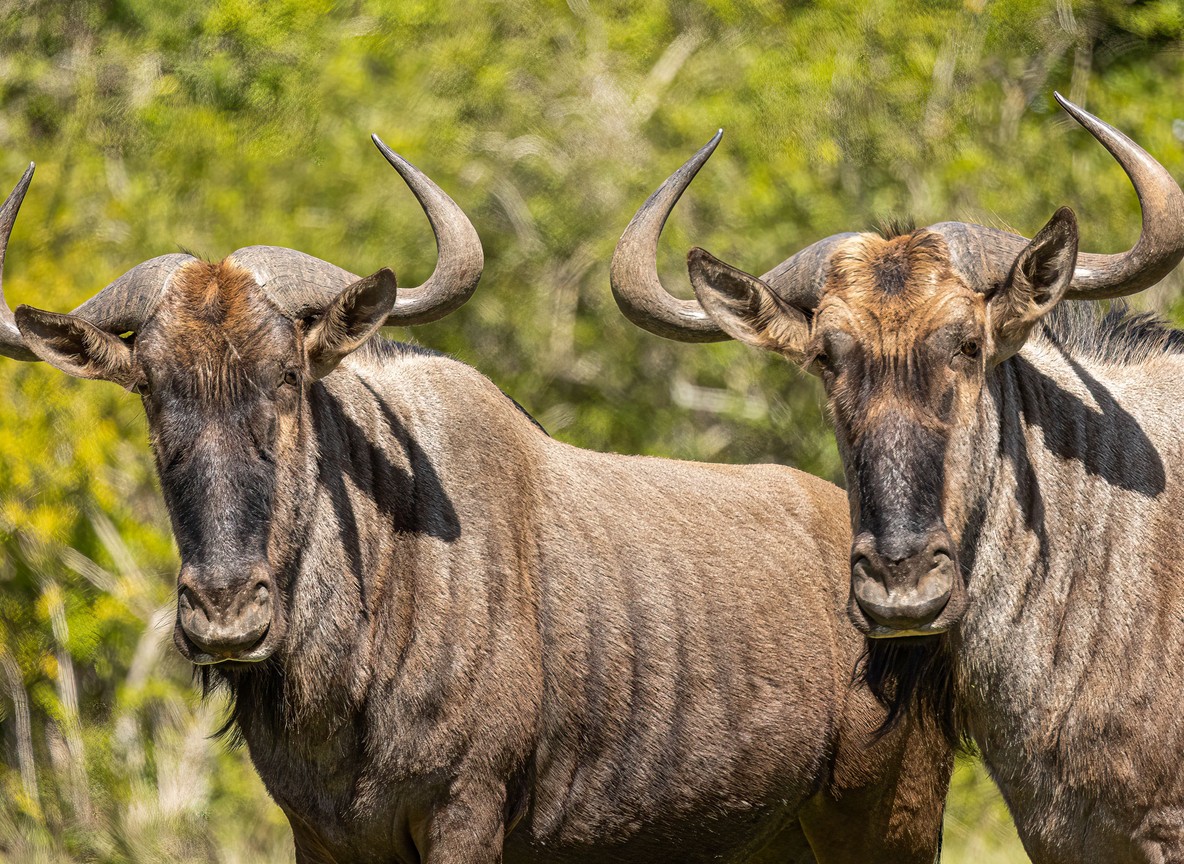
Wildebeest cross the Mara River when grass runs low on the Serengeti side. They move once rain has greened up the Mara side, not on a fixed date. In most years that means late July through October. The heaviest activity usually falls between mid-August and mid-September.
For 2026, migration analysts are tracking herd position, rainfall, and the past decade’s pattern. They point to 22 August through 7 September as the highest-probability window. That sits inside a wider active-crossing range of 10 August to 20 September. Guides are already reporting early scouting crossings in the Mara Triangle this week, ahead of that main window. These are smaller groups testing the water before the main herd follows.
None of this is a promise. Wildebeest do not check a calendar before they jump. But a probability window beats guessing. It lets you weight your travel dates toward the days with the best real chance of seeing one.
Week-by-Week Plan: What to Expect and What to Book
Use this table to match your available travel window to the herd’s likely position. Activity level reflects the current forecast, not a guarantee. It can shift with a heavy rain event on either side of the river.
| Week (2026) | Expected Activity | What to Do Now |
|---|---|---|
| Aug 3-9 | Early scouting crossings reported in the Mara Triangle | If you can travel this week, go; eastern-side camps near Talek and Sekenani still have rooms |
| Aug 10-16 | Activity building; enters the wider active-crossing range | Book now; river-facing camps in the Mara Triangle are filling fast |
| Aug 17-23 | Approaching the highest-probability window | Last realistic week to secure a river-facing room before peak demand hits |
| Aug 24-30 | Inside the highest-probability window (opens Aug 22) | Peak odds; expect sold-out river camps and premium rates |
| Aug 31-Sep 6 | Still inside the highest-probability window (closes Sep 7) | Same high odds as the prior week; book flexible dates if possible |
| Sep 7-13 | Highest-probability window closes; wider range continues | Good odds remain; slightly easier camp availability than late August |
| Sep 14-20 | Final week of the wider active-crossing range | Last reliable week for consistent crossing activity |
| Sep 21 onward | Outside the forecast peak range | Lower odds; better rates and thinner crowds for budget-focused trips |
A 5 to 6 night stay spanning the last week of August into early September helps if your dates are flexible. It gives you more chances at a sighting than a tight two-night visit built around one predicted date.
Where to Watch: Named Crossing Points and Nearby Camps
Crossings do not happen along the whole river. The herd funnels through specific points where the banks are low. There, the approach is wide enough for thousands of animals to move together.
Paradise Plain and the Mara Triangle’s western bank see some of the most frequent crossings. Both sit below the Oloololo Escarpment. Angama Mara sits directly on that escarpment. Guests get a long view down onto the crossing points before a vehicle ever leaves camp. Governors’ Camp and its sister properties sit closer to Musiara Marsh on the eastern side. That area sits near another well-used crossing point. Rekero Camp and Kicheche Mara Camp both operate in the Talek River area, within reach of crossings further south.
None of these camps can guarantee a crossing happens in front of you on any given day. But position matters. A camp inside or near the Mara Triangle cuts your drive time to the river. It takes minutes rather than an hour or more.
Getting to the Mara: Distances, Flights, and Current Fees
Logistics barely change year to year, so plan around these figures regardless of which week you pick.
| Detail | Figure |
|---|---|
| Maasai Mara National Reserve size | approx. 1,510 km2 |
| Mara Triangle (Mara Conservancy) size | approx. 510 km2 |
| Nairobi (Wilson Airport) to Mara airstrips | approx. 45-min flight to Musiara, Keekorok, Ol Kiombo, or Mara Serena |
| Nairobi to Masai Mara by road (via Narok) | approx. 270 km, 5-6 hrs drive |
| Reserve entry fee, non-resident adult (Jul-Dec 2026) | USD 200/day; child 9-17 USD 50; under 8 free |
| Mara Triangle entry fee | same as reserve rate |
| Community conservancy entry (e.g. Nashulai) | approx. USD 60-80/day, indicative |
| Main gates | Oloololo, Talek, Sekenani, Sand River |
Park tickets are valid for roughly 12 hours, from around 6am to 6pm, not a full 24 hours. Plan gate times around a single day’s game drive rather than an overnight stay inside the reserve. Flying in from Wilson Airport saves most of a travel day compared with the 5 to 6 hour road transfer. That matters most if your trip runs under a week.
Booking on Short Notice for This Year’s Window
If the news that crossings have started caught you without a booking, you still have options. Flexibility does the heavy lifting here. Contact operators about camps on the eastern side near Talek or Sekenani first. They release rooms faster than the handful of properties directly on the Mara Triangle’s riverbank. Ask about waitlists at river-facing camps too, since late cancellations happen inside a five-week peak window.
Consider a community conservancy stay as a base. Time your day trips into the reserve around guide reports of herd movement. Conservancies also allow night drives and off-road viewing that the main reserve restricts. That flexibility helps if crossing activity picks up outside standard game-drive hours.
Signs a Crossing Is About to Happen
Guides who work the Mara Triangle through August and September read herd behavior more than a printed schedule. Wildebeest bunching thick along one bank usually means a crossing is close. Watch for rising noise and pacing at the water’s edge too. Sometimes it happens within the hour rather than the day. Mornings between 7:30 and 10:00 tend to produce more crossings than midday, when herds often rest in shade.
Explorer Notes
Ask your guide each morning where the herd gathered the evening before, not just where the last crossing happened. Herds often shift position overnight. A guide who checks radio chatter with other vehicles at first light usually has better information than any published forecast. Bring a long lens or a solid pair of binoculars regardless of your camera setup. The clearest view of a crossing is usually from the opposite bank, farther away than it looks. Pack a dust cover for gear too. The riverbank kicks up fine red dust during a crossing. Equipment left exposed in an open vehicle picks it up fast.
What to Read Next
- Want the full probability breakdown behind these dates? Read our Mara River crossing forecast for 2026.
- Deciding where to watch from? See our boat vs vehicle position guide.
- New to the crossings entirely? Start with our wildebeest migration route and Mara River guide.
FAQ
When do Mara River crossings happen in 2026? Early scouting crossings have already started in the Mara Triangle in early August. Analysts point to 22 August through 7 September as the highest-probability window. That sits inside a wider active-crossing range of 10 August to 20 September.
Can I still book a trip for the peak crossing window? Yes, though river-facing camps fill fastest. Eastern-side camps near Talek and Sekenani generally have more late availability. Community conservancies do too, unlike properties directly on the Mara Triangle riverbank.
How long should I stay to improve my chances of seeing a crossing? Five to six nights spanning the end of August into early September gives noticeably better odds than a short two-night visit built around one guessed date.
Which crossing points see the most activity? Paradise Plain and the western bank near the Oloololo Escarpment, inside the Mara Triangle, historically see the most frequent crossings. The wide, low-bank approach on that side makes it easier for the herd to funnel through.
Do park tickets cover a full day and night in the reserve? No. Reserve tickets run about 12 hours, roughly 6am to 6pm. Plan your gate entry and exit around that window rather than assuming overnight access.
If the current window lines up with your travel dates, that’s good news. The next step is picking a camp on the right side of the river. Check the Tour Packages page for current availability, or reach out to a partner operator directly. River-facing camps inside this year’s peak window are booking out quickly.
Further reading
- Magical Kenya (Kenya Tourism Board)
- Maasai Mara Wildlife Conservancies Association
- African Wildlife Foundation